In a world that constantly demands we do more, achieve more, and become more, we often neglect the most important relationship we will ever have—the one with ourselves. We spend years nurturing family bonds and supporting friends, yet we struggle to offer that same patience and understanding to our own minds. If a close friend …

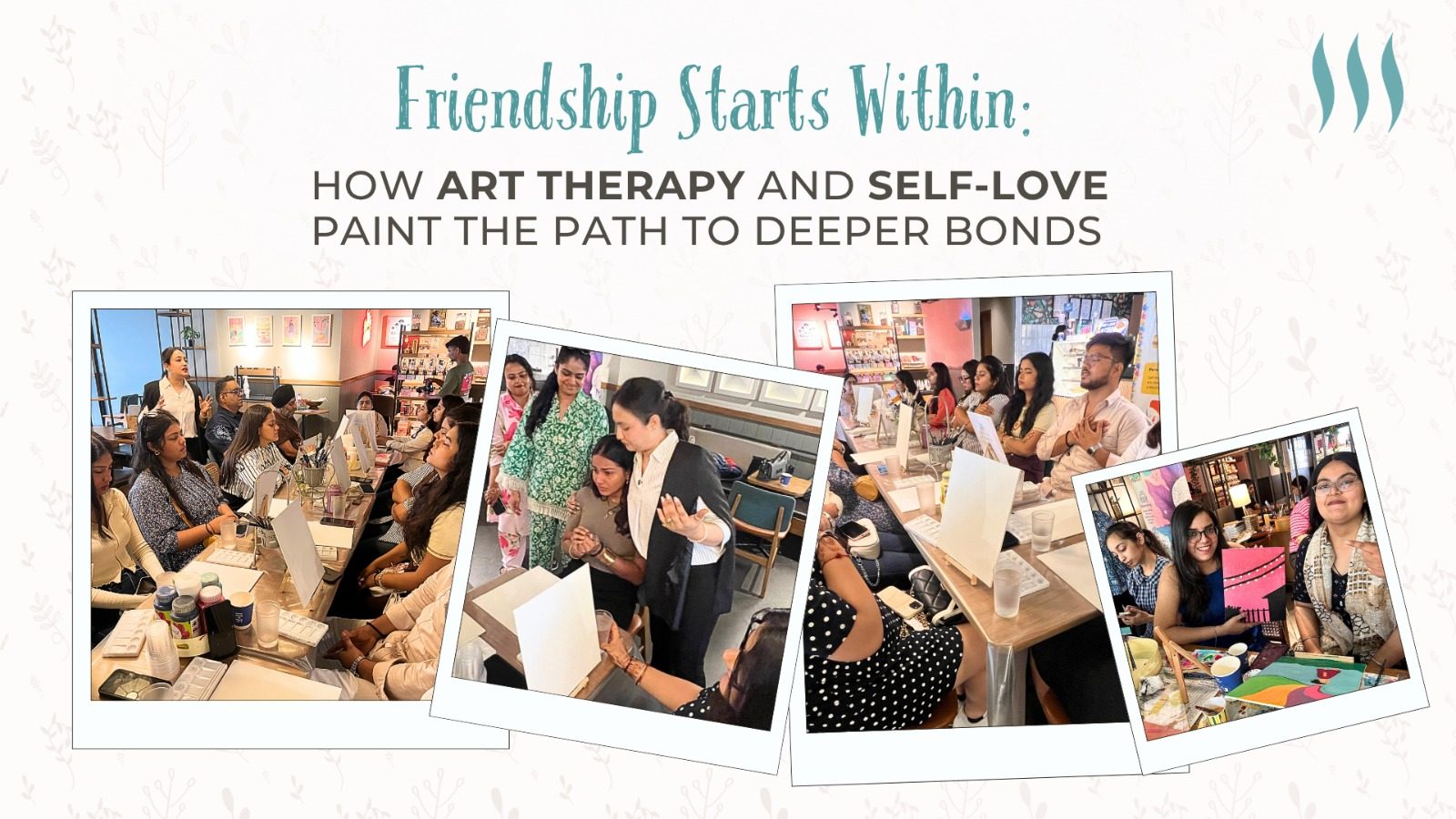
In a world that constantly demands we do more, achieve more, and become more, we often neglect the most important relationship we will ever have—the one with ourselves. We spend years nurturing family bonds and supporting friends, yet we struggle to offer that same patience and understanding to our own minds.
If a close friend makes a mistake, you likely offer them comfort. But when you make a mistake, does your internal voice offer comfort, or does it criticize you?
your internal voice offer comfort, or does it criticize you? Being your own best friend is not about becoming self-centered; it is about developing emotional resilience, self-compassion, and inner trust. At Vishwas Healing & Health Care we believe one of the most powerful ways to bridge this gap is through Art Therapy.
Why Is Self-Compassion So Hard?
Many of us are conditioned to believe that harsh self-criticism is the only way to drive improvement. From a young age, we are often praised for our achievements rather than our efforts, or taught to suppress our “negative” emotions. Over time, this conditioning creates a relentless inner critic that constantly whispers:
- “You’re not good enough.”
- “You should have done better.”
- “Others are further ahead than you.”
Eventually, this voice becomes so familiar that we mistake it for the absolute truth. However, psychology shows that fighting yourself drains your mental energy. Research consistently proves that self-compassion not self-criticism is what actually leads to greater motivation, improved emotional health, and stronger relationships. “
What Is Art Therapy?
Art Therapy is a therapeutic approach that integrates psychology with the creative process of making art.
Unlike a traditional art class, the goal is never to create a “beautiful” or perfect piece of artwork. Instead, art acts as a bridge between your conscious thoughts and your subconscious feelings. It provides a safe, non-verbal language to explore emotions, experiences, and inner conflicts. Whether it involves painting, drawing, clay work, or visual journaling, there is no right or wrong outcome. Every mark on the paper reflects an emotional experience rather than artistic skill
How Art Therapy Helps Cultivate Self-Compassion
Art therapy gently interrupts the cycle of self-judgment by shifting your focus from perfection to expression. Here is how creativity helps you befriend yourself:
-
It Teaches You to Listen Instead of Judge
When you create art in a therapeutic setting, you stop asking, “Is this good enough?” and start asking, “How am I feeling today?” Anger might become aggressive red brushstrokes; anxiety might take the form of chaotic, heavy lines. By translating emotions into colors and shapes, you give them permission to exist without labeling them as “bad” or “wrong.”
-
It Forces You to Accept Imperfection
Art therapy teaches you that perfection is an illusion. A painting may have accidental marks, and colors may blend unexpectedly, yet the final result remains meaningful. Learning to appreciate an imperfect piece of art directly translates to accepting your own wonderfully imperfect human nature.
-
It Reconnects You With Your Inner Child
Children create without fear. They color outside the lines and experiment without worrying about criticism or social media likes. Engaging in creative therapy helps you bypass your adult anxieties and reconnect with a sense of unfiltered freedom. You begin to remember that joy does not require permission.

The Emotional Benefits of Creative Healing
Neuroscience suggests that creative expression activates multiple regions of the brain simultaneously, including those involved in memory, emotional regulation, and problem-solving.
| Benefit | How Art Therapy Achieves This |
|---|---|
| Stress Reduction | Immersing yourself in colors and textures naturally calms the nervous system and lowers cortisol (the stress hormone). |
| Emotional Clarity | Bypasses verbal defenses to uncover hidden grief, unspoken boundaries, or forgotten dreams. |
| Increased Self-Esteem | Completing an artwork engages the brain's reward pathways, fostering a sense of capability and confidence. |
| Emotional Release | Safely externalizes heavy emotions, allowing feelings to move (sometimes through tears or laughter) rather than remaining trapped inside. |
A Simple Art Therapy Exercise to Try Today
You do not need expensive materials or artistic talent to start practicing self-compassion.
-
Gather Materials: Take a blank sheet of paper and some color pencils, crayons, or paints.
-
Ask the Question: Ask yourself, “If my emotions had colors today, what would they look like?”
-
Create: Set a timer for 20 minutes. Do not think or plan—simply put color to paper. Stick figures and messy scribbles are entirely welcome.
-
Reflect: Once finished, observe the artwork. Which colors appear the most? Which areas feel heavy or peaceful?
-
Practice Compassion: Write three compassionate sentences to yourself on the back of the paper. (e.g., “I see that I have been carrying a lot of stress,” or “I deserve kindness today.”)
Art therapy is far more than a creative activity, it is a journey toward self-acceptance and emotional freedom. In a society that encourages constant productivity and comparison, choosing to become your own best friend is a courageous act of self-care.
At Vishwas Healing & Health Care we are committed to creating safe, nurturing spaces where you can reconnect with yourself. You already possess everything you need to begin this journey. Sometimes, all it takes is a blank page and the willingness to meet yourself with kindness.
Learn to navigate your emotions through art. Join our upcoming Art Therapy workshop, guided by expert Dr. Pooja Anand Sharma and begin your creative healing journey today.
Get in Touch with Us
We’d love to hear from you—share your thoughts or ask a question!
Tags:Anxiety ReliefArt therapyBeing Your Own Best FriendCompassioncreative expressionCreative HealingEmotional Growthemotional healingEmotional ResilienceEmotional SupportEmotional WellnessfriendshipHealing Through ArtHealthy RelationshipsInner FriendInner HealingInner Peacemental healthMindful Livingmindfulnesspersonal growthPersonal Well-BeingPositive RelationshipsSelf-AcceptanceSelf-CareSelf-CompassionSelf-Connectionself-discoverySelf-FriendshipSelf-KindnessSelf-Lovestress relief